

Knee-Jerk Reactions
The littlest bit of information about a person or a situation can change our perspective, entirely. When we stop to think about it, this seems obvious and right. We may feel an immediate resonance with the statement and think of all the times that this has proven to be true. We might even feel that this sentiment is part of our wisdom and an example of how we walk in the world. And yet, we all make snap judgments. Sometimes, this is a necessary trait for our emotional and societal survival; and other times, it’s just our assumptions getting the better of us.


 Fear stems from our unwillingness to experience a particular condition. It doesn’t matter what that condition is. If we are unwilling to experience it, we can be controlled. The condition could be anything: unemployment, divorce, solitude, poverty, confrontation, injury, illness, or death. All conditions have an opposing counterpart to which we are probably very attached: ie. employment, marriage, friendship, wealth, harmony, mobility, health, and life.

 Expectation and attachment are killers of a good time. When we cling to them, nothing that comes our way—no matter how lavish—feels like enough; but when we can let them go, every moment that life has to offer becomes an unexpected gift.


 How do you like your coffee? Black? With enough cream to give it substance? Or loaded with sugar to cut the bitterness? Perhaps you’ve guessed that I’m not really asking about coffee, or even tea, for that matter. I’m asking about life. How do you like your reality—straight up or sugar-coated? Well, here’s some straight up truism to contradict the soothing sweet cliches we see written on pretty lotus flowers.
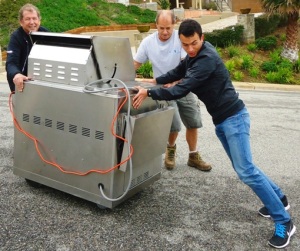 Have you ever noticed how some people always find a way to get a task done while others flounder and fail? We might be tempted to assume that it has something to do with the nature of the task—and sometimes it does—unless we witness two people facing the identical challenge. Our second assumption might be to credit the fortitude and resourcefulness of the individual—which is frequently the case
 We have all heard the warning to be careful of what we wish for. It frequently accompanies a sentiment regarding trees and a forest. Well, there have been far too many times in my life where what I had thought would be best was later proven to be wrong for me to trust my wish-making abilities. Fortunately, most of those lessons were delivered safely by not getting what I asked for, rather than getting stuck with what I did.

